



Bluesky
Noticeboard.
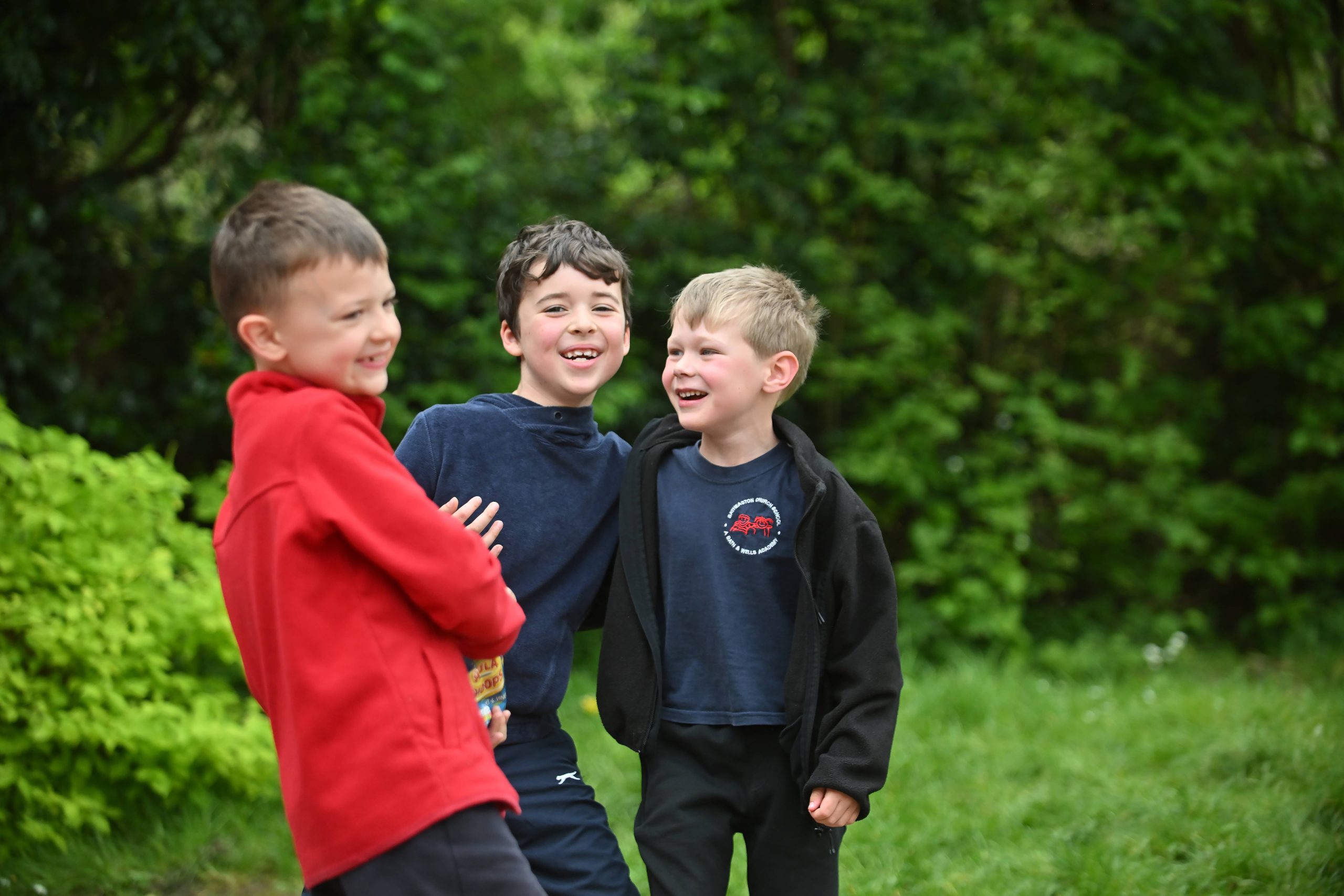
Despite the heavy downpours, it has been a lovely first week back. On Wednesday morning, members of the Trust Local Committee (Governors) joined us for a learning walk across all classes. It was wonderful to see the children so settled and quickly re- engaged in their learning, and the feedback from the committee was extremely positive.
With hopefully improved weather ahead, we are looking to reopen the meadow at lunchtimes. We will be confirming dates, so please look out for opportunities to come in and volunteer. As the term progresses, it becomes increasingly busy with many exciting events planned, so do keep a close eye on the calendar below to ensure you don’t miss anything.
We wish all our children the very best of luck this term: Cherry Class with their phonics screening check, Hazel Class with the Year 4 multiplication check, and the rest of the school as they enter the final assessment period of the year. Outcomes will be shared in end-of-year reports, which will be issued in July.
Diary Dates
Monday 8th June – Cherry and Willow Class on trip to Slimbridge
Tuesday 9th June – Elm Class – Forest School all morning
Hayesfield Year 6 Transition visit at 1.30pm
Induction Picnic for new intake and Apple Class at 2.15pm
Wednesday 10th June –
Thursday 11th June – Whole School Sports Day Practise at 1.30pm
Friday 12th June– 9.10am – Celebration Assembly
Elm and Hazel class tag-tails tournament at Rhymes Pavilion at 10am